
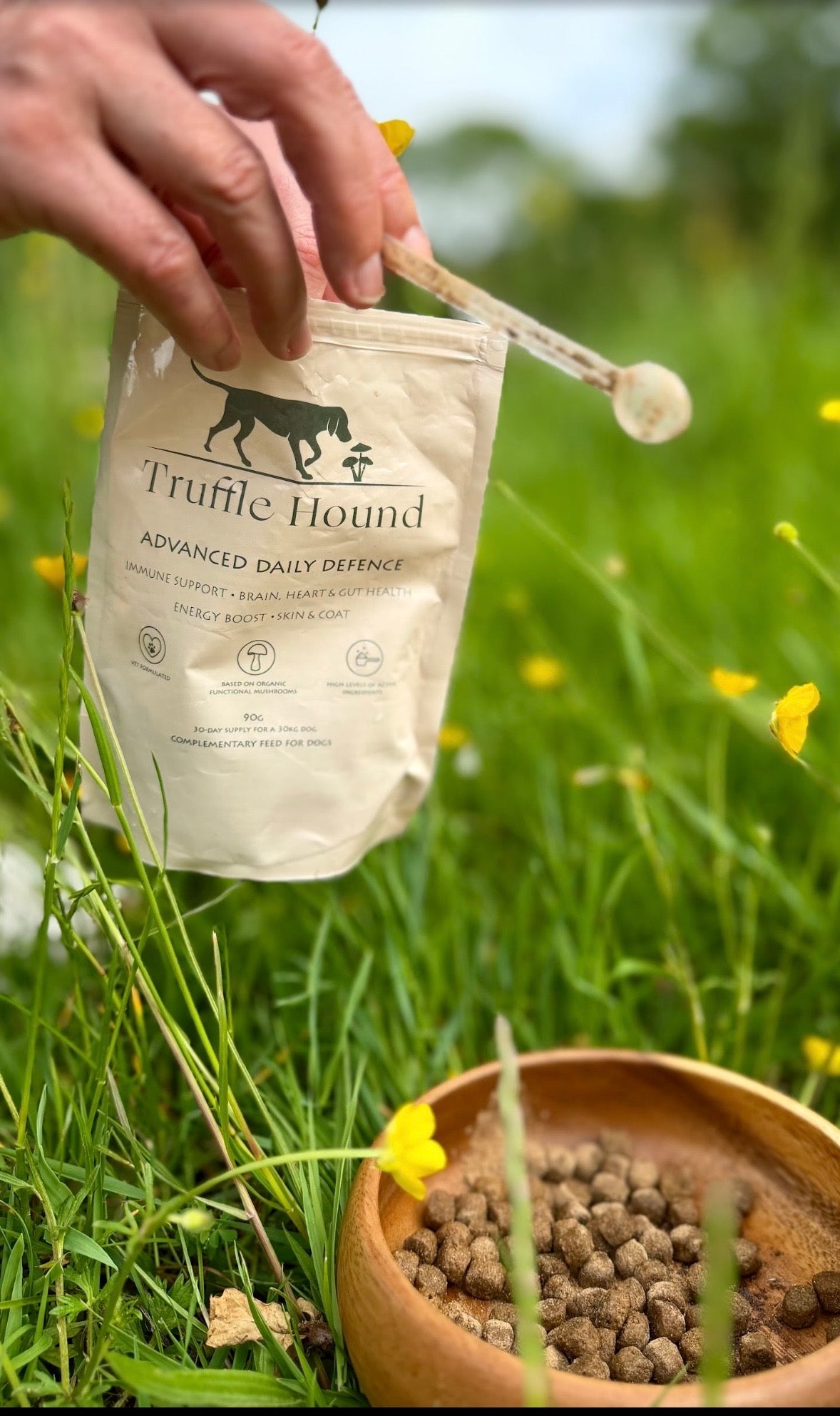
A supplement can be a useful addition to your dog’s routine when it has a clear job to do. It might be chosen to support joint health, digestion or general wellbeing at a particular life stage. But a supplement should be exactly that: additional support. It does not replace a complete, balanced diet, an accurate diagnosis or treatment recommended by your vet.
The best supplement is not the one with the longest ingredient list. It is the one that is appropriate for your dog, transparent about what it contains and realistic about what it can do.
Why might a dog use a supplement?
Dogs are individuals. Age, activity, recovery, digestive sensitivity, body condition and existing health concerns can all shape what support is appropriate. Some dogs may not need a supplement at all. For others, a carefully selected product can form one part of a wider plan that also includes nutrition, weight management, suitable exercise and clinical care.
Start with the need, not the trend. Ask: What am I hoping to support, and how will I know whether this is helping? A specific question makes it easier to select a suitable product and monitor your dog over time.
Six signs of a thoughtfully made supplement
1. It has a clear purpose
A good product tells you what area of wellbeing it is designed to support and which dogs it may suit. Be cautious of a single powder that promises to solve every possible problem. Clear scope usually makes for clearer decision-making.
2. The active ingredients—and their amounts—are easy to find
A beautiful label is not enough. Look for named active ingredients, meaningful quantities and a serving guide based on the dog’s size. If a “proprietary blend” hides how much of each ingredient is present, it is difficult to judge the formula or compare it fairly with another product.
3. The formula has appropriate expertise behind it
Find out who developed the product. Relevant veterinary, nutrition or clinical input matters, as does experience with the species the supplement is intended for. This does not guarantee that a product is right for every dog, but it is a useful quality signal.
4. The maker can explain quality and traceability
Responsible brands should be able to describe where ingredients come from, how the product is manufactured and what quality checks are used. The same principle appears in the World Small Animal Veterinary Association’s guidance on choosing pet nutrition: look beyond marketing and ask about formulation expertise, quality control and finished-product testing.
5. The dose is practical and clearly explained
The label should make daily use simple, with clear instructions, storage information and cautions. More is not automatically better. Use the recommended amount and avoid combining several products with overlapping ingredients unless your vet or an appropriately qualified professional has reviewed the total intake.
6. The claims are measured
Supplements can support health; they should not be marketed as a cure. Be wary of guaranteed results, instant transformations or advice to stop prescribed medication. Honest language recognises that response varies between dogs and that some concerns need veterinary investigation.
A sensible starting checklist
- Choose one clear goal for your dog.
- Check the full ingredient list and amounts.
- Follow the weight-based serving guidance.
- Introduce one new product at a time.
- Keep a simple note of comfort, movement, appetite, stools or any other relevant change.
- Stop and seek advice if your dog becomes unwell or shows an unexpected reaction.
Where Truffle Hound fits
Truffle Hound is a separate business, created by The Canine Clinic founder Claire O’Donnell and Alex Daly. The Canine Clinic is a collection point, not the retailer.
Truffle Hound’s range is organised around three distinct areas of support, using functional mushrooms alongside whole-food ingredients. That clear separation makes it easier to begin with your dog’s actual need rather than choosing an all-purpose product.
- Advanced Joint Health is the mobility-focused blend.
- Advanced Digestive Health is designed around digestive support.
- Advanced Daily Defence is the general daily wellbeing blend.
Truffle Hound publishes the role of its ingredients, serving guidance and cautions on each product page. Read that information in full and choose the blend that best matches the goal you have identified. If your dog takes medication, has an ongoing health condition, is under one year old, is pregnant or nursing, ask your vet before starting a supplement.
Order online and collect free at the clinic
Order directly through Truffle Hound and select The Canine Clinic collection at checkout for free local pickup.
How to tell whether it is helping
Agree what success would look like before you begin. For a mobility routine, you might watch how comfortably your dog gets up, manages familiar walks or settles after activity. For digestive support, stool consistency and appetite may be more relevant. Keep the rest of the routine as consistent as practical, follow the suggested timeframe on the product and review rather than simply continuing by habit.
If symptoms are new, worsening or unexplained, begin with a veterinary assessment. Supplements work best as part of thoughtful care—not as a way to postpone finding the cause of a problem.
Further reading: WSAVA Global Nutrition Guidelines and Truffle Hound’s formulation and product information.